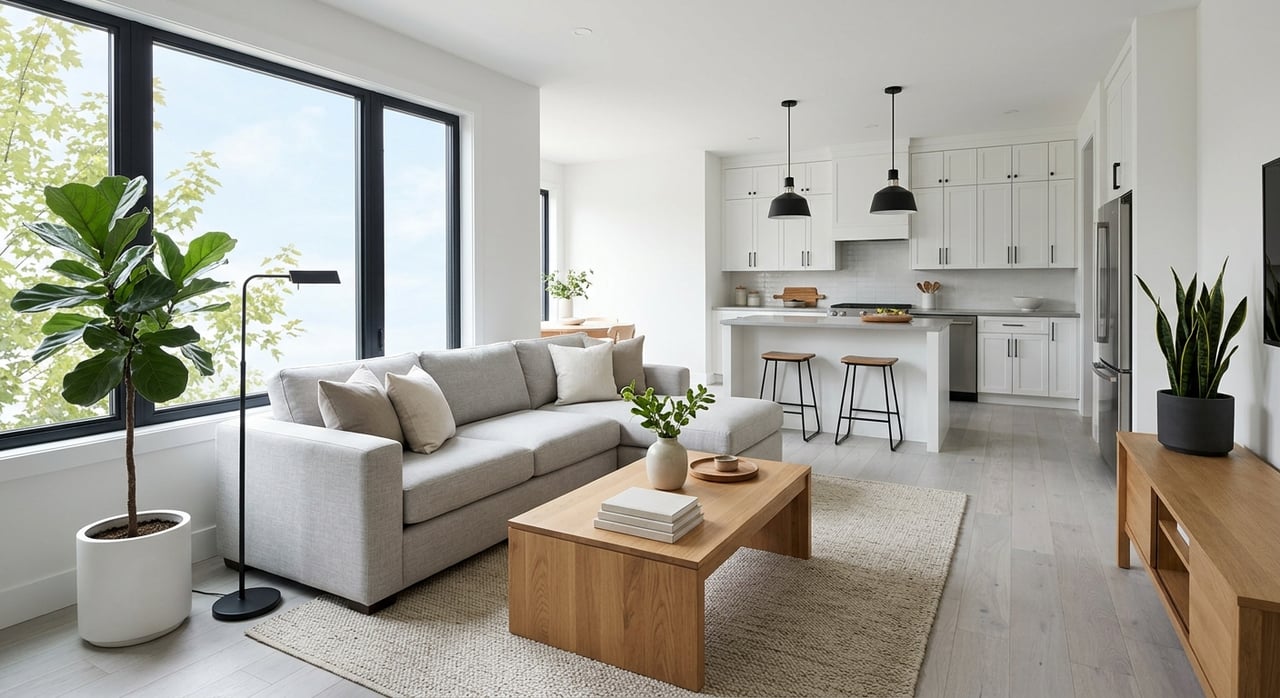
If you want top-dollar results in Canon-Mac, listing your home is not the moment to wing it. Buyers in and around Canonsburg often move fast online, and the homes that stand out early usually have a clear plan behind them. If you are thinking about selling, this guide will walk you through a practical step-by-step listing game plan so you can prepare smart, launch strong, and protect your bottom line. Let’s dive in.
Why a Canon-Mac plan matters
Canonsburg sits in Washington County, but many buyers do not search the area by county alone. They often think in terms of Canonsburg, nearby South Hills communities, and the broader Canon-McMillan School District area that includes Canonsburg Borough, Cecil Township, and North Strabane Township.
That matters because local pricing and pace can look very different depending on which data set you use. For ZIP code 15317, Zillow reports an average home value of $389,558, up 2.7% year over year, with homes going pending in around 9 days. In the same ZIP, Zillow also reports a median sale price of $366,633, a median sale-to-list ratio of 0.989, 150 homes for sale, 65 new listings, 24.7% of sales over list price, and 57.5% under list price.
Countywide numbers tell a different story. Realtor.com reports a median listing price of $252,000 in Washington County, homes selling at about 99% of asking price on average, and a median 38 days on market. The takeaway is simple: when you price and position your home, the smallest relevant comp set usually tells the better story.
Step 1: Start with a strategy meeting
Your listing plan should start with a real conversation about your timeline, goals, and likely net proceeds. This is where you decide whether speed, price, convenience, or a balance of all three matters most for your move.
A strong strategy meeting should also define your local competition. In Canon-Mac, that means looking closely at homes similar to yours by location, condition, size, and buyer appeal, instead of leaning too heavily on broad county averages.
Step 2: Price from the closest comps
Pricing is one of the biggest decisions you will make. In 15317, homes can move quickly, but the data also shows that many still sell under list price, which means condition and price discipline both matter.
The goal is not to chase the highest possible number on day one. The goal is to choose a list price that matches current buyer behavior and creates the strongest response when your home first hits the market.
A smart pricing review should focus on:
- Recent sales in your immediate area
- Current active competition
- Pending homes that show what buyers accepted recently
- Your home’s condition and updates
- Your launch timing and expected demand
Step 3: Build your pre-list repair list
Before photos or showings, handle the issues that may distract buyers. You do not need to renovate everything, but you do want to remove the obvious friction points that can hurt first impressions.
Focus first on clean, functional, and visible items. Peeling paint, worn caulk, broken fixtures, damaged flooring, and deferred maintenance can make buyers assume there are bigger problems behind the scenes.
This step is also where you decide what not to fix. Some projects do not return enough value before listing, especially if they are highly personal or too expensive for the likely payoff.
Step 4: Declutter for space and flow
Once repairs are underway, turn your attention to decluttering. Buyers respond better when rooms feel open, easy to navigate, and simple to understand.
That means reducing extra furniture, clearing counters, organizing closets, and packing away personal items that make it harder for buyers to picture the home itself. The goal is not to make your house look empty. It is to make it feel clean, calm, and move-in ready.
Step 5: Stage where it counts most
Staging is not just a luxury add-on. It is a practical tool that helps buyers connect with your home faster, especially online.
According to NAR’s 2025 staging research, 83% of buyers’ agents said staging made it easier for buyers to picture the property as a future home. The same research found that 31% said buyers were more willing to tour a home they saw online, 29% reported staging led to a 1% to 10% increase in the dollar value offered, and 49% of sellers’ agents said staging reduced time on market.
In most homes, the highest-impact staging areas are:
- Living room
- Kitchen
- Primary bedroom
- Dining area
- Entryway
Step 6: Create the media before launch
Your home’s first showing usually happens on a screen. NAR’s 2024 buyer trends report shows that 41% of buyers first looked online for properties for sale, and photos were the most useful website feature for nearly nine in 10 buyers age 58 and under.
That is why professional photography, video, and a polished digital presentation should be completed before your listing goes live. If your home launches before the media is ready, you risk wasting the most valuable attention window your listing will get.
This is where a full-service marketing approach matters. A coordinated creative stack can include:
- Professional listing photography
- Video assets
- Staging support
- MLS exposure
- Open house planning
- Yard sign placement
- Targeted digital promotion
Step 7: Finish disclosures early
Pennsylvania sellers have specific disclosure responsibilities, and this is not a step to leave until the last minute. Under Pennsylvania’s Seller Disclosure Law, sellers must disclose known material defects, provide a signed and dated disclosure statement before signing an agreement of transfer, avoid misleading statements or omissions, and update the buyer if the information becomes inaccurate before settlement.
The law also makes clear that you are not required to conduct a special investigation. That means a pre-listing inspection can be a useful planning tool, but it is not a legal requirement.
For older homes, there is another key checklist item. For most pre-1978 housing, federal law requires sellers to disclose known lead-based paint information and provide the EPA lead pamphlet before the sale contract is signed.
A practical disclosure checklist includes:
- Pennsylvania seller disclosure form
- Updates if any known condition changes before closing
- Lead-based paint disclosure for most pre-1978 homes
- Supporting documents for major repairs or improvements, if available
Step 8: Time the launch, then go live
A strong launch is a sequence, not a single event. Pricing, prep, staging, photography, disclosures, and marketing assets should all be in place before the listing hits the market.
That order matters because buyers start online, and your first few days on market often shape the rest of the listing timeline. NAR data also shows that 32% of sellers reduced their asking price at least once, which is a good reminder that getting day-one strategy right can help you avoid losing momentum later.
A launch-ready home should have:
- Final list price set
- Repairs and touch-ups complete
- Staging finished
- Photos and video complete
- Disclosures prepared
- Showing instructions confirmed
- Marketing materials ready
Step 9: Manage showings like a campaign
Once your listing is live, responsiveness matters. If homes in 15317 are going pending in around 9 days, you want every showing opportunity to count.
Keep the home clean, bright, and easy to access within reason. The easier it is for qualified buyers to see your home during the early launch window, the better your odds of generating strong interest.
Open houses and yard signs still play a role, and NAR reports that both remain common marketing channels. The key is to make them part of a coordinated launch instead of treating them as separate one-off tactics.
Step 10: Review offers with your net in mind
The best offer is not always the highest number. Price matters, but so do financing strength, inspection terms, closing timeline, contingency structure, and your likely net proceeds.
This is where negotiation and organization can make a real difference. You want to compare offers side by side, understand the tradeoffs, and choose the path that gives you the strongest overall outcome with the least friction.
Step 11: Plan for closing costs now
A good listing game plan includes a realistic net sheet early, not just after offers arrive. If your home is in the Borough of Canonsburg, Pennsylvania imposes a 1% realty transfer tax and the borough imposes an additional 1% local realty transfer tax.
Those costs can affect your bottom line more than some sellers expect. Building them into your plan from the start helps you set a smarter target price and avoid surprises near closing.
What sellers should do first
If you are selling in the Canon-Mac area, the smartest first move is to start earlier than you think you need to. Even in a market where well-positioned homes can move quickly, a better result usually comes from strong preparation, not rushing to market.
A clean process looks like this: strategy first, pricing second, repair and declutter third, staging and media fourth, then launch only when everything is ready. That is how you create a listing that looks sharp online, shows well in person, and gives buyers confidence from day one.
If you want a listing plan built around preparation, premium marketing, and disciplined execution, connect with Jordan Jankowski to get major-league results.
FAQs
How early should you prepare to sell a home in Canon-Mac?
- You should ideally start several weeks before listing so you have time for pricing, repairs, decluttering, staging, media, and disclosures before launch.
What pricing strategy works best for a Canonsburg home sale?
- The best pricing strategy uses the smallest relevant comp set, such as nearby 15317 or neighborhood-level sales, because local conditions can differ a lot from countywide averages.
Is staging worth it for a Canon-Mac home listing?
- Staging can be worth it because NAR research found it helps buyers picture the home, can increase willingness to tour, may improve offer value, and can reduce time on market.
What disclosures do Pennsylvania home sellers need?
- Pennsylvania sellers must disclose known material defects, provide a signed and dated disclosure before signing an agreement of transfer, avoid misleading omissions, and update the buyer if information changes before settlement.
Do older Canonsburg homes need lead paint disclosure?
- For most pre-1978 homes, sellers must disclose known lead-based paint information and provide the required lead pamphlet before the sale contract is signed.
What transfer taxes should Canonsburg Borough sellers expect?
- Sellers in the Borough of Canonsburg should account for Pennsylvania’s 1% realty transfer tax plus the borough’s additional 1% local realty transfer tax when estimating net proceeds.
Why does listing launch timing matter for Canon-Mac sellers?
- Launch timing matters because many buyers start online, photos are highly influential, and the first days on market often shape buyer response and pricing leverage.