If you want a suburb that feels established without feeling stuck in the past, Mount Lebanon is easy to notice. Its classic neighborhoods, mature trees, and recognizable homes create a day-to-day setting that many buyers are looking for when they want character, convenience, and a strong sense of place. If you are wondering what everyday life actually feels like here, this guide will walk you through the housing, errands, parks, and rhythms that shape living in Mount Lebanon. Let’s dive in.
What makes Mount Lebanon feel classic
Mount Lebanon has deep roots. The township was established in 1912, and the community traces an early village center to the Washington Road and Bower Hill Road area by 1876.
That history still shows up in daily life. Across more than six square miles, you will find tree-lined streets, older homes with lasting architectural detail, and neighborhood patterns shaped first by trains and trolleys, then later by the automobile.
It also feels like a settled community. Census QuickFacts estimates the population at 32,917 as of July 2024, with 72.3% owner-occupied housing and 91.4% of residents living in the same house one year earlier.
Those numbers help explain why Mount Lebanon often feels stable and established. People tend to stay, invest in their homes, and build routines around the neighborhoods they know well.
Classic neighborhoods to know
Mount Lebanon includes many neighborhoods that help define its identity. The township map identifies Beverly Heights, Mission Hills, Old Virginia Manor, Virginia Manor, Cedarhurst, Sunset Hills, Twin Hills, Uptown/Central Square, Foxland, Highland Terrace, Carleton Manor, Washington Park, and Avondale, among others.
If you are especially drawn to historic character, a few areas stand out. The Historical Society highlights Beverly Heights, Mission Hills, and Virginia Manor in its architecture-focused tour program, which signals how closely these neighborhoods are tied to the township’s classic image.
That does not mean the appeal is limited to a few streets. Mount Lebanon’s broader National Register Historic District includes 4,400 properties, giving much of the community a consistent sense of architectural heritage.
For buyers, that often translates into a neighborhood experience with more visual variety and more personality than newer, single-era developments. For sellers, it means the home’s setting can be a meaningful part of its value story.
Home styles you will see most
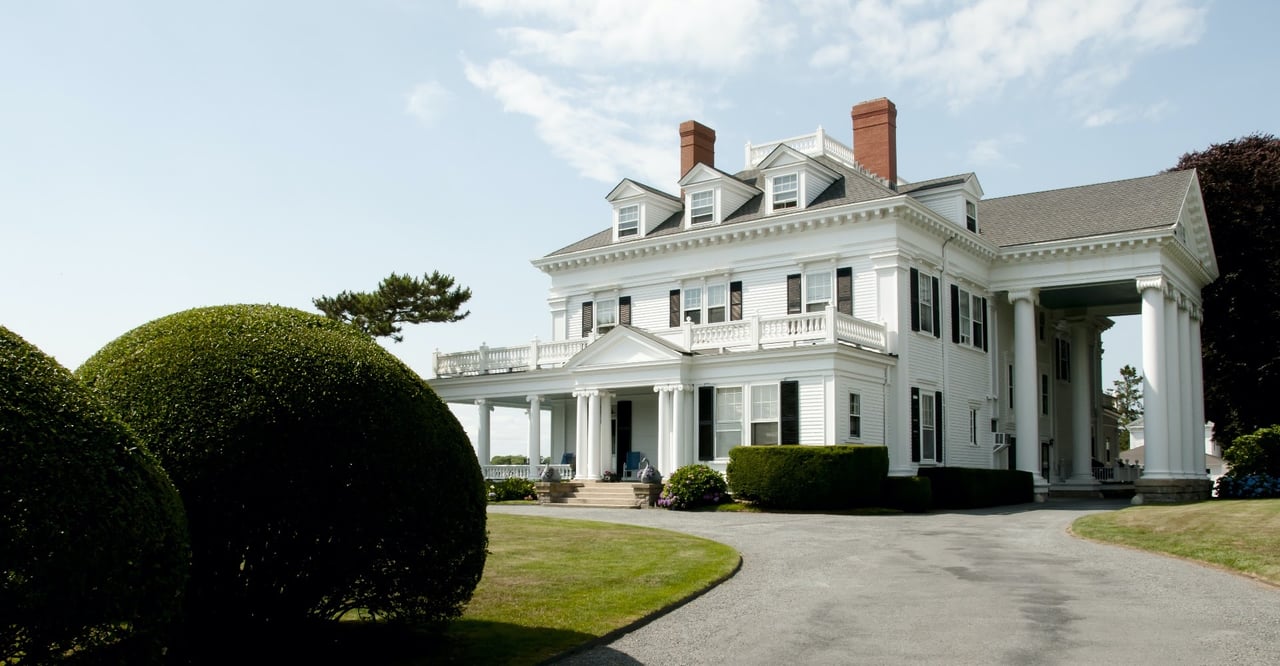
Mount Lebanon’s housing stock is one of its biggest draws. According to the township’s historic-property resources, the most common historic styles include Foursquare, Colonial Revival, Tudor or Medieval Revival, and Arts and Crafts or Craftsman homes.
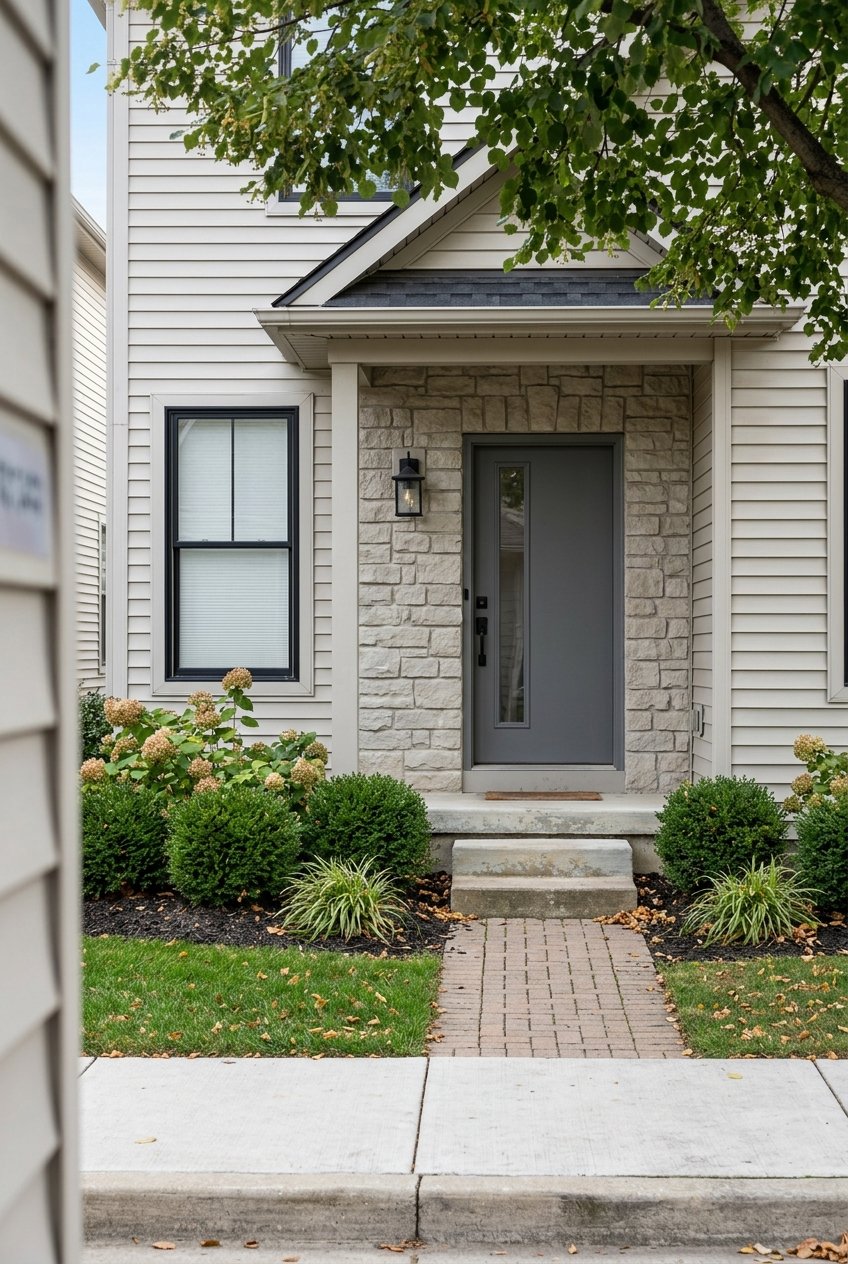
You may also see Dutch Colonial, French Eclectic, and Cotswold-style houses. In nearby areas and later-developed sections, the housing mix expands to include ranches, split-levels, modern, and postmodern homes.
That variety matters if you are searching for the right fit. Some buyers want original millwork, steep rooflines, and brick or stone detail, while others want a later-era home with a different floor plan or a more straightforward update path.
For sellers, the style of your home can shape how it is positioned in the market. In a place like Mount Lebanon, buyers often notice architectural identity quickly, especially when a home’s original character has been maintained.
Everyday errands are easier here
A classic neighborhood only goes so far if daily life feels inconvenient. One reason Mount Lebanon continues to stand out is that many practical errands can fit into a walkable routine.
The township describes Beverly Road as a small, highly walkable district with restaurants, retail, and services. Washington Road and Uptown serve as the central business district, with 41 commercial properties, 182 businesses, 72 storefronts, and about an 8% vacancy rate.
That means you have more than one place to build your routine. You might grab coffee, stop into a local business, or plan around seasonal events in Uptown, including street festivals and the weekly summertime farmers’ market.
Other shopping areas add convenience too. Castle Shannon Boulevard, Cochran Road, and the Galleria area offer more options, though those areas tend to be more car-oriented than the township’s more walkable business districts.
Parking is also part of the equation. Mount Lebanon says it provides more than 1,000 public parking spaces in and around business districts, including garages on both ends of Washington Road, plus metered street and surface-lot parking.
Walkability and transit support daily life
Mount Lebanon has planned intentionally around mobility. Its Complete Streets policy says streets are designed to accommodate people who walk, bike, use transit, and move through the community safely.
That policy supports the way many residents already live. Pittsburgh Regional Transit serves the township with connections to South Hills destinations, Station Square, Downtown Pittsburgh, and the North Shore.
Mount Lebanon Station sits on the light rail Red Line, and bus routes 36, 38, and 41 also serve the community. For some households, that can mean fewer car trips and more flexibility in how you handle commuting or day-to-day travel.
The school district adds to that pattern by describing itself as a walking school district and publishing safe walking routes for elementary schools. It also serves the municipality through seven elementary schools, two middle schools, and one high school, which shows how closely schools are woven into neighborhood life.
Parks shape the outdoor feel
Outdoor access is another big part of everyday living in Mount Lebanon. The township says its parks offer quiet waterways, hiking trails, playgrounds, sports courts, and mature tree canopies.
The park list includes Bird Park, Church Place Park, Country Club Park, Hoodridge Park, Iroquois Park, McNeilly Park, Mt. Lebanon Park, Sunset Hills Park, Twin Hills Trails Park, and Williamsburgh Park, among others. That gives residents options for everything from a short walk to a more active afternoon outdoors.
The tree canopy matters here too. It is part of what gives many streets and parks their established, comfortable look through the seasons.
The LEBO Arboretum adds another layer to that experience. The township says it supports species diversity, specimen tree plantings, public awareness of the urban forest, passive recreation, and stormwater best practices, and it is listed as an ArbNet Level 1 accredited arboretum.
The tradeoff with older homes
The same character that draws people to Mount Lebanon can also come with extra planning. Older homes often require more attention to maintenance, repair cycles, and renovation choices.
That is especially true if you want to update a home while keeping the look that makes it appealing in the first place. The township’s historic-home resources focus on exactly that balance, with guidance for roofs, windows, masonry, energy efficiency, garages, doors, woodwork, lighting, chimneys, and porches.
There is also a contractor-vetting guide to help homeowners plan renovation work. That public resource library is useful because it shows that preserving original character and improving everyday function do not have to be competing goals.
For buyers, this means it is smart to look beyond charm alone and think through ongoing upkeep. For sellers, thoughtful updates that respect the home’s style may help buyers see both the character and the usability.
Why Mount Lebanon keeps its appeal
Mount Lebanon works because several strengths overlap in one place. You get established neighborhoods, recognizable architecture, business districts that support daily errands, a broad park system, and transit access into Pittsburgh.
The community also has a steady, lived-in feel. Census data shows a median owner-occupied home value of $378,300, median household income of $123,771, and a mean commute time of 25.6 minutes, all of which help frame what everyday life can look like here.
If you are buying, that mix can support both lifestyle and long-term confidence in the area. If you are selling, it gives you more than one compelling story to tell, from architecture and walkability to parks and commute options.
In other words, Mount Lebanon’s classic neighborhoods are not just attractive on a showing day. They support the routines, convenience, and sense of place that shape real everyday living.
If you are thinking about buying or selling in Mount Lebanon, working with a local team that understands how to position classic homes and evaluate neighborhood fit can make the process much smoother. For guidance tailored to your goals, connect with Jordan Jankowski.
FAQs
What are the most historic-feeling neighborhoods in Mount Lebanon?
- Beverly Heights, Mission Hills, and Virginia Manor are commonly recognized for historic and architectural character, and the township map also identifies classic areas such as Old Virginia Manor, Cedarhurst, Sunset Hills, Twin Hills, Washington Park, and Uptown/Central Square.
What home styles are common in Mount Lebanon neighborhoods?
- Common styles include Foursquare, Colonial Revival, Tudor or Medieval Revival, and Arts and Crafts or Craftsman homes, along with Dutch Colonial, French Eclectic, Cotswold, ranch, split-level, modern, and postmodern houses.
Can you live in Mount Lebanon without driving everywhere?
- Many residents can handle at least some daily trips on foot or by transit thanks to walkable business districts, the township’s Complete Streets approach, light rail access, and bus service.
What business districts support everyday errands in Mount Lebanon?
- Beverly Road and Washington Road/Uptown are key everyday destinations, with restaurants, retail, services, and seasonal events, while Castle Shannon Boulevard, Cochran Road, and the Galleria area add more shopping options.
What should buyers know about older homes in Mount Lebanon?
- Older homes often offer strong character and architectural detail, but they may also require more maintenance and thoughtful renovation planning, especially if you want to preserve original features.
Do Mount Lebanon homeowners have renovation resources for historic homes?
- Yes. The township provides guidance on updates such as windows, roofs, masonry, energy efficiency, porches, and more, along with a contractor-vetting resource for renovation planning.