Trying to decide between a newer neighborhood and an older street in Canonsburg? That choice can shape how you live day to day, from the feel of the block to the upkeep your home may need. If you are weighing move-in-ready convenience against in-town character, this guide will help you compare both with a clear local lens. Let’s dive in.
Why this choice matters in Canonsburg
Canonsburg is not a one-note market. The borough was laid out in 1789, incorporated in 1802, and today it blends an older in-town street pattern with newer development shaped by current zoning and subdivision rules.
Because the borough is compact at 2.3 square miles, small differences in location can change your experience in a big way. You may be choosing between a more traditional grid near the borough core and a newer street layout with more standardized lots and a more uniform look.
That is why the question is not simply, “Which is better?” The real question is, “Which setup fits your lifestyle, budget, and maintenance comfort level?”
What “classic streets” usually means
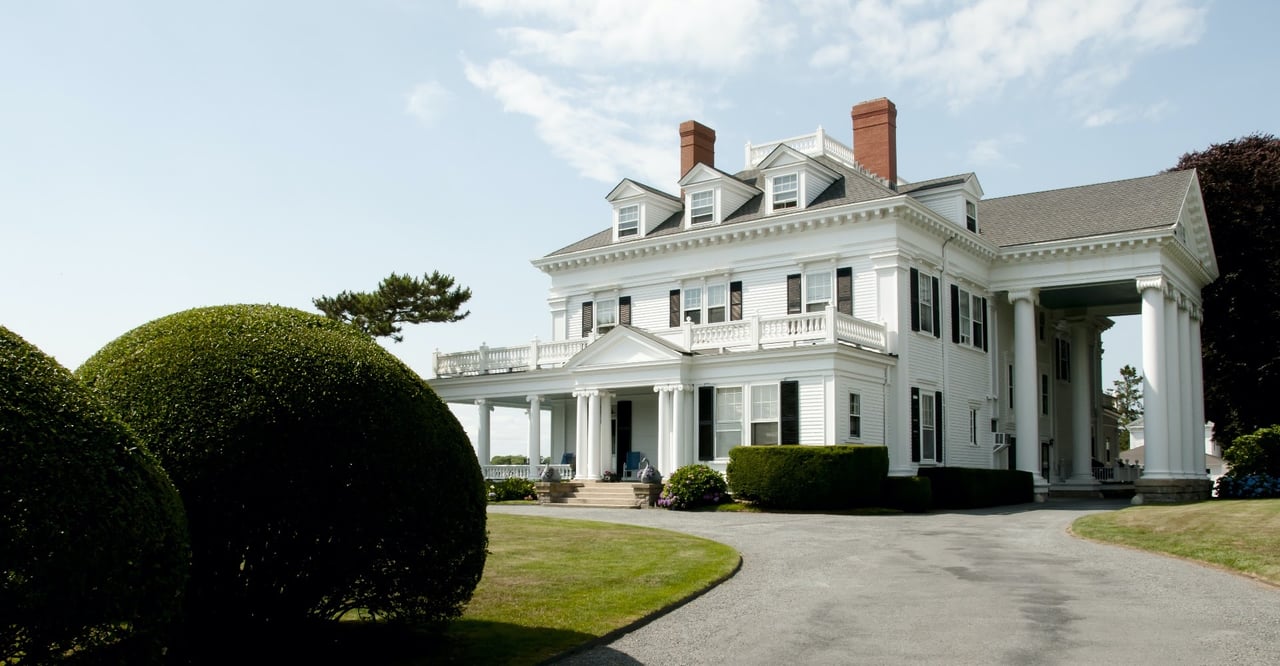
In Canonsburg, classic streets usually point to the older, gridded parts of town. Given the borough’s age and downtown overlay structure, these areas often feel more established, more varied, and closer to the borough’s historic core.
That can appeal to buyers who want a neighborhood that feels less standardized. Homes, lots, and streetscapes may vary more from one block to the next, which often creates a stronger sense of visual character.
Classic streets can also connect you more closely to shared community spaces. Canonsburg Town Park includes a pool, basketball courts, a skate park, ball fields, pavilion rentals, concerts, and walking trails, which adds to the appeal for buyers who want neighborhood life to extend beyond their property line.
What newer plans usually means
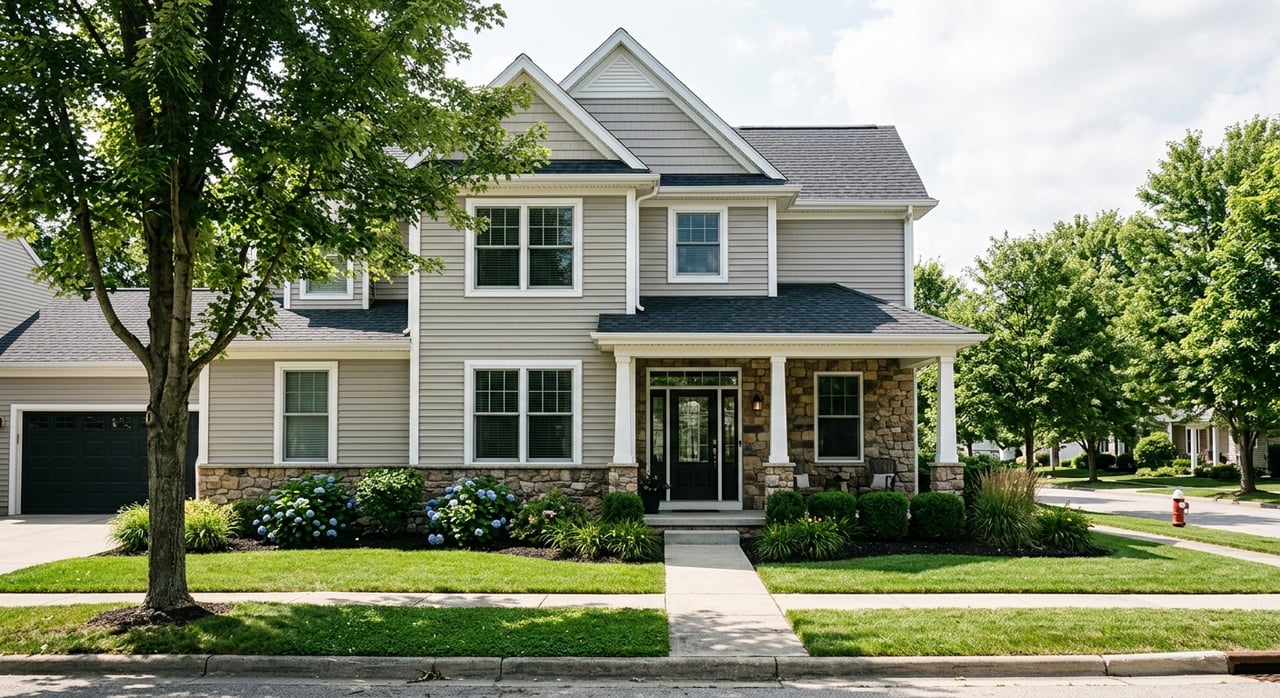
Newer planned areas in Canonsburg are shaped by the borough’s current zoning code and subdivision review process. That matters because modern development standards often create a more predictable layout and a more consistent look from lot to lot.
For example, the borough’s 2021 zoning update sets minimum lot sizes and widths by district. R-1 requires a 7,500 square foot minimum lot and 50-foot width, R-2 requires 6,000 square feet and 40 feet, and R-3 requires 5,000 square feet and 40 feet.
Townhouses are also permitted in some districts, with minimums of 2,500 square feet per unit in R-2 and 2,000 square feet per unit in R-3. In practical terms, that often leads to newer streets with more uniform parcel sizes, more consistent setbacks, and a cleaner, more standardized feel.
How the street feel differs
The biggest difference for many buyers is the daily feel of the neighborhood. Newer plans often feel orderly and predictable, while classic streets tend to feel more layered and visually mixed.
If you like the idea of a home that blends into a coordinated streetscape, a newer plan may feel easier to evaluate. If you prefer variety and a less uniform block, older streets may feel more personal and distinctive.
Neither option is automatically better. It comes down to whether you value consistency or character more.
Lot layout and home placement
Lot geometry can influence everything from your yard use to your privacy to how the home sits on the street. In newer areas, zoning standards often support more consistent lot widths and setbacks, which can make the neighborhood feel more structured.
On classic streets, lot shapes and home placement may vary more. That can create charm, but it can also mean each property needs a more careful look when you compare parking, yard space, or exterior access.
This is especially important if you are a buyer who wants a straightforward decision. More uniform lots can be easier to compare side by side, while older properties may require a little more nuance.
Walkability and access to town
If being close to the borough core matters to you, classic streets may have the edge. Because Canonsburg’s older areas grew around the town’s historic layout, they are more likely to feel connected to the in-town street network.
That can matter if you enjoy a more walkable setting or want easier access to local community events. The borough highlights annual traditions such as the Fourth of July parade, Oktoberfest, and Old Fashioned Christmas, and those events are part of what gives older in-town areas their community-oriented feel.
Newer fringe areas may offer a different kind of convenience. You may trade some in-town feel for a more modern layout, a newer home condition, or a setup that better fits your commute.
Maintenance can be very different
A home purchase is not only about style. It is also about what you are willing to maintain over time.
Newer homes often attract buyers who want fewer near-term repairs and a more move-in-ready experience. That does not eliminate upkeep, but it can reduce the chance that you will be tackling updates right after closing.
Older homes on classic streets may offer more character, but they can also bring more renovation planning. If you are considering updates, it is smart to review borough requirements early, especially because the borough provides forms and checklists tied to occupancy, real estate transfer or refinance, and temporary dumpsters or storage containers.
Stormwater and local requirements matter
In Canonsburg, drainage and runoff are not just private homeowner issues. The borough operates under an MS4 stormwater permit and handles pollution-control and runoff management obligations in urbanized areas.
That matters whether you are buying newer construction or an older home. It is one more reason to pay attention to grading, drainage patterns, and any property-specific concerns during your due diligence.
For many buyers, this is where local guidance matters most. A home can look perfect at first glance, but practical issues like runoff, permits, and site conditions often affect long-term satisfaction.
Utility and renovation logistics to check
Classic streets often come with a few more moving parts during ownership or remodeling. In Canonsburg, sewage service is handled by the Canonsburg-Houston Joint Sewer Authority rather than the borough, and trash and recycling are provided through County Hauling.
Those details are not deal-breakers. They are simply part of understanding how the property functions and who handles what.
If you expect to renovate soon after closing, paperwork matters even more. It is worth checking occupancy items, permit needs, and short-term logistics before you buy, not after.
Newer plans may suit you if
A newer neighborhood may be the better fit if you value:
- More predictable lot sizes and street layout
- A more uniform streetscape
- A move-in-ready feel
- Potentially lower near-term repair demands
- A simpler side-by-side home comparison process
For buyers who want a cleaner decision with fewer unknowns, this route can feel more efficient and lower friction.
Classic streets may suit you if
An older in-town street may be the better fit if you value:
- Historic context and established surroundings
- More variation in homes and lots
- A walkable, borough-connected feel
- Easier access to parks, events, or the town core
- Character that stands apart from a more standardized subdivision look
For buyers who care about feel just as much as floor plan, classic streets often deserve a closer look.
Questions to ask before you decide
Before you choose one side or the other, ask yourself:
- Do you want a standardized lot and streetscape, or more character and variation?
- How much exterior maintenance are you comfortable taking on?
- Are you prepared to review borough requirements around stormwater, occupancy, utility connections, and renovation permits?
- Does your budget fit a newer home’s likely lower repair burden, or an older home that may need updates?
- How important are walkability, park access, parking, and commute convenience via I-79 or U.S. Route 19?
These questions can quickly narrow your search. They also help you focus on fit, not just finishes.
The best fit depends on how you live
In Canonsburg, newer planned development generally offers predictability, current-code layout standards, and a cleaner move-in-ready feel. Classic streets often bring more history, more variety, and a stronger in-town sense of place.
The right choice depends on your priorities. If you want efficiency and uniformity, newer plans may win. If you want connection, character, and a more established street pattern, classic streets may be the better match.
When you are comparing homes in Canon-Mac, the strongest move is to look past the listing photos and focus on how each location supports your routine, your budget, and your long-term plans. If you want local guidance that helps you move with confidence, connect with Jordan Jankowski for major-league results.
FAQs
What does Canon-Mac mean for homebuyers in Canonsburg?
- Canon-Mac refers to the Canon-McMillan School District, the local public school district serving Canonsburg and surrounding areas.
What is the difference between newer plans and classic streets in Canonsburg?
- Newer plans usually offer more standardized lots, consistent setbacks, and a more uniform neighborhood feel, while classic streets often offer older grid-style blocks, more variation, and a stronger connection to the borough core.
Are older Canonsburg streets more walkable than newer neighborhoods?
- Older in-town streets are more likely to feel walkable because they follow the borough’s historic street pattern, though the experience can vary by block.
What local property issues should Canonsburg buyers review before closing?
- Buyers should review stormwater conditions, occupancy requirements, utility setup, sewage service details, and any permit needs if they expect to renovate after purchase.
Why do newer neighborhoods in Canonsburg feel more uniform?
- The borough’s zoning code sets minimum lot sizes and widths by district, which often results in more consistent parcel sizes, setbacks, and streetscapes in newer development.
What community features support the appeal of classic streets in Canonsburg?
- Canonsburg Town Park, local annual events, and the borough’s established in-town setting all contribute to the appeal many buyers associate with classic streets.